
Park & Public Space Garden
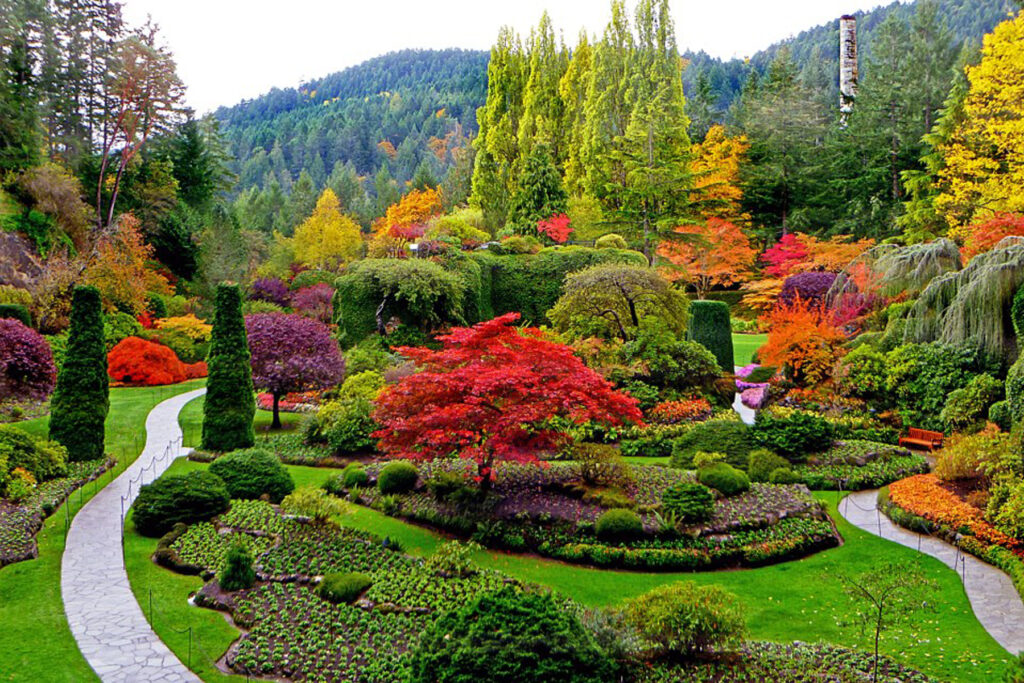
Public parks and open green spaces offer a refreshing escape from the urban rush. These areas provide room for leisure, exercise, community gatherings, and mental relaxation. But beyond recreation, a well-maintained park with thoughtfully designed gardens contributes to ecological health, biodiversity, and the well-being of society.
Incorporating organic gardening methods in these public spaces ensures that the green areas not only look beautiful but also promote sustainability, reduce pollution, and support life in all its forms—from beneficial insects to local bird species.
Key Factors in Designing Park & Public Space Gardens:
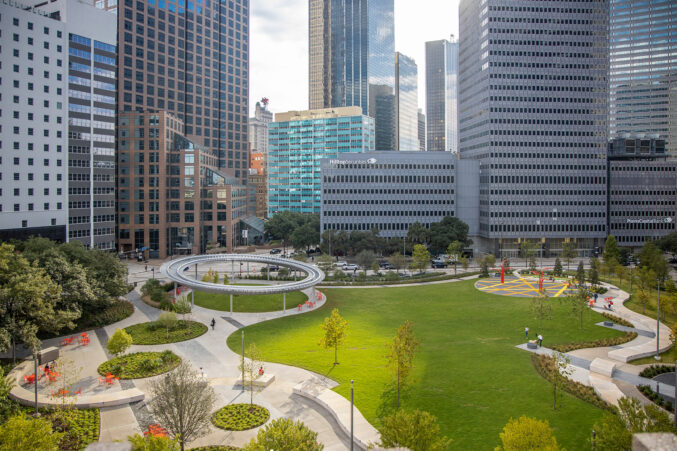
1. Community Needs: A good public garden must serve its users—be it joggers, families, children, or the elderly. Design should include walking trails, shaded seating, open lawns, play areas, and quiet zones.
2. Biodiversity Planning: Using a variety of native and adaptive plants encourages biodiversity. Trees, shrubs, flowering plants, and herbs can all coexist to create a layered, dynamic green zone.
3. Water Management: Effective irrigation, rainwater harvesting, and natural water features like ponds or bio-swales help manage resources responsibly and create cooling effects.
4. Accessibility & Safety: Wide, wheelchair-accessible paths, good lighting, and child-friendly zones make parks inclusive and safe for everyone.
5. Aesthetic & Seasonal Planning: Planting flowering species that bloom in different seasons ensures year-round beauty and keeps the park lively throughout the year.
Why Organic Gardening:
When it comes to developing public gardens, organic practices are crucial for long-term sustainability. Here’s what we prioritize:
- Organic Soil Management: Using compost, mulch, and natural fertilizers to keep soil alive and healthy.
- Chemical-Free Maintenance: Avoiding pesticides and herbicides that harm pollinators, soil life, and human health.
- Native Plant Species: These require less water, thrive without chemicals, and support local ecosystems.
- We builds park and public glowing green and fulfils sustainability goals.
- Integrated Pest Management (IPM): Using nature-based methods like neem oil, beneficial insects, and companion planting to control pests.
Benefits of Organic Park & Public Space Gardens:
1. Environmental Health: No harmful chemicals mean cleaner air, healthier soil, and safer runoff into local water bodies.
2. Health & Wellness: Access to green spaces reduces stress, boosts mental well-being, and encourages physical activity.
3. Community Building: Parks act as gathering hubs, bringing people together through nature walks, yoga sessions, and local events.
4. Urban Cooling: Trees and green lawns naturally reduce temperatures, acting as cooling zones during hot summer months.
5. Educational Opportunities: Organic gardens in public spaces can be living classrooms—teaching kids and adults about ecology, sustainability, and the importance of going green.
6. Biodiversity & Wildlife: Organic public gardens create mini ecosystems, attracting butterflies, birds, and beneficial insects that keep nature in balance.
Start Your Residential Garden with Organic Nursery Garden
With 14+ years of experience in organic landscaping, our team can design and install your dream Residential Garden. Whether you’re looking for a serene landscape, a vibrant flower bed with an open lawn area, a luxury view, or an aesthetic look—we do it all organically, beautifully, and sustainably.
Ready to turn your empty space into a garden of joy?
Contact us today for a free consultation!
Let us help you create a garden that’s as healthy as it is beautiful.
Contact Organic Nursery Garden today @ +919364559365, +91 9751608818.